
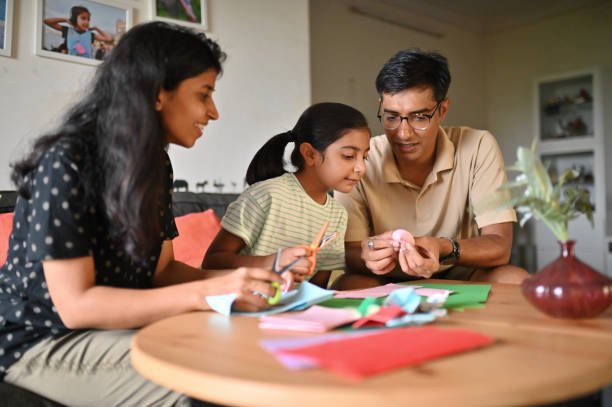
Learning does not have to be limited to classrooms or textbooks. With the right approach, parents can create meaningful and engaging learning experiences at home. Well-designed kids learning activities help children develop essential cognitive, social, and creative skills while keeping them actively involved.
In today’s evolving education landscape, there is increasing emphasis on experiential and activity-based learning. Parents are recognizing the importance of combining structured education with interactive activities that nurture curiosity and independent thinking.
This article presents ten practical and enjoyable kids learning activities that can be easily implemented at home to support a child’s overall development.
Why Kids Learning Activities at Home Are Important
Home-based activities complement formal education by encouraging children to explore concepts beyond textbooks. These activities:
- Strengthen problem-solving and critical thinking skills
- Improve creativity and imagination
- Enhance communication and language development
- Build independence and confidence
- Encourage curiosity and lifelong learning habits
Many parents who value holistic education often consider institutions like international schools in Bangalore, where activity-based learning is integrated into daily teaching practices.
1. Storytelling and Reading Sessions
Reading is one of the most effective kids learning activities. It helps improve vocabulary, comprehension, and imagination.
How to do it:
- Set aside daily reading time
- Use storybooks appropriate for the child’s age
- Encourage children to narrate stories in their own words
This activity builds language skills and enhances creativity.
2. DIY Science Experiments
Simple science experiments can make learning both fun and educational.
Examples:
- Mixing baking soda and vinegar to understand chemical reactions
- Observing plant growth over time
- Creating a simple water filtration system
These activities introduce scientific thinking and observation skills.
3. Art and Craft Projects
Creative activities help children express themselves while improving fine motor skills.
Ideas include:
- Drawing and painting
- Paper crafts and origami
- Recycled material projects
Art-based kids learning activities encourage imagination and innovation.
4. Educational Games and Puzzles
Games are an excellent way to combine fun with learning.
Useful options:
- Jigsaw puzzles
- Word-building games
- Memory matching cards
- Board games that involve counting or strategy
Such activities improve logical reasoning and concentration.
5. Cooking and Baking Activities
Cooking introduces children to basic life skills while incorporating math and science concepts.
Learning outcomes:
- Measuring ingredients (mathematics)
- Understanding heat and transformation (science)
- Following step-by-step instructions
Supervised kitchen activities are both educational and enjoyable.
6. Gardening and Nature Exploration
Gardening teaches responsibility and environmental awareness.
Activities include:
- Planting seeds and watering plants
- Observing insects and natural surroundings
- Learning about plant growth cycles
These kids learning activities promote patience and a connection with nature.
Parents often look for schools that encourage such experiential learning, including best international schools in Bangalore that integrate environmental education into their curriculum.
7. Role-Playing and Pretend Play
Role-playing helps children understand real-world situations and improve communication skills.
Examples:
- Playing “teacher and student”
- Pretending to run a shop
- Acting as doctors or engineers
This activity enhances creativity, social skills, and confidence.
8. Basic Math Activities Through Daily Tasks
Mathematics can be taught through everyday activities.
Practical ideas:
- Counting household items
- Sorting objects by size or color
- Managing small allowances
These activities make math relatable and easy to understand.
Families residing near educational hubs such as schools in Electronic City often combine structured schooling with such home-based reinforcement activities.
9. Music and Dance Sessions
Music and movement play an important role in a child’s development.
Benefits:
- Improves memory and coordination
- Enhances emotional expression
- Builds rhythm and listening skills
Children can learn songs, play simple instruments, or engage in dance routines.
10. Problem-Solving Challenges and Brain Teasers
Challenging children with puzzles and questions helps develop analytical thinking.
Activities include:
- Riddles and quizzes
- Logic puzzles
- Simple coding games (for older children)
These kids learning activities stimulate intellectual curiosity and problem-solving abilities.
Parents exploring options near schools in Bannerghatta Road often appreciate learning environments that encourage such analytical skill development both in school and at home.
Creating a Balanced Learning Environment at Home
While activities are important, balance is key. Children should have a mix of:
- Structured learning time
- Free play
- Physical activity
- Rest and relaxation
Parents should also consider the child’s interests and learning pace when selecting activities. Encouraging participation rather than enforcing strict routines helps children enjoy the learning process.
Role of Parents in Kids Learning Activities
Parents act as facilitators in home-based learning. Their role includes:
- Providing guidance without excessive control
- Encouraging curiosity and questions
- Creating a safe and supportive environment
- Recognizing and appreciating effort
Consistency and encouragement are essential to making learning activities effective.
Conclusion
Incorporating kids learning activities at home is an effective way to support a child’s academic and personal development. These activities not only strengthen essential skills but also make learning enjoyable and meaningful.
From storytelling and science experiments to gardening and problem-solving games, each activity contributes to building creativity, confidence, and curiosity. When combined with formal education, home-based learning ensures a well-rounded developmental experience for children.
By creating a balanced and engaging learning environment, parents can help children develop skills that extend beyond the classroom and prepare them for future challenges.
FAQs
1. What are kids learning activities?
Kids learning activities are interactive tasks designed to help children develop skills such as creativity, problem-solving, communication, and critical thinking.
2. How many learning activities should kids do daily?
Children can engage in 2–3 structured activities daily, along with free play and physical exercise, depending on their age and schedule.
3. Are home learning activities as effective as school learning?
Home activities complement school learning by reinforcing concepts and encouraging practical application in a relaxed environment.
4. Which activity is best for improving creativity in kids?
Art and craft, storytelling, and role-playing activities are highly effective in enhancing creativity.
5. How can parents keep children interested in learning activities?
Parents can keep children engaged by choosing age-appropriate activities, involving them in decision-making, and maintaining a fun and supportive approach.