

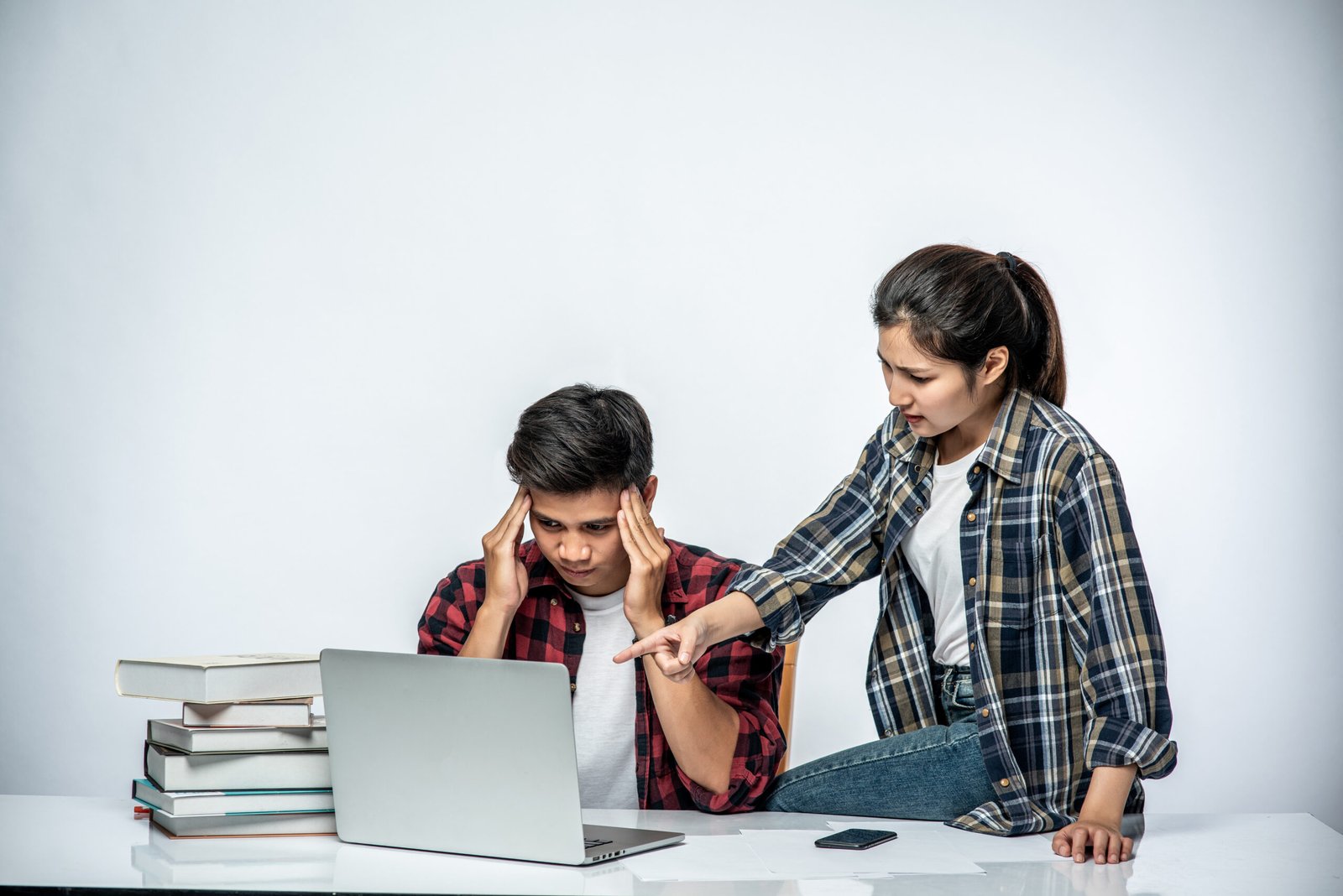
Failure is often viewed negatively, especially in academic environments where grades, rankings, and results dominate conversations. However, educators and parents are increasingly realizing that Learning from Failure is not a weakness—it is one of the strongest foundations for long-term success. When students understand that mistakes are a natural part of growth, they develop resilience, confidence, and critical thinking skills that serve them throughout life.
For parents, the challenge lies in helping children view failure as feedback rather than defeat. Schools that emphasize emotional intelligence and reflective learning play a vital role in shaping this mindset. Many forward-thinking institutions, including reputed international schools in bangalore, actively encourage students to analyze mistakes, adapt, and improve rather than fear setbacks.
Understanding Failure in a Student’s Life
Failure can take many forms for students:
- Poor exam results
- Struggling with a subject
- Losing a competition
- Difficulty fitting into social or academic environments
These experiences, while uncomfortable, offer powerful learning moments. Learning from Failure helps students recognize their limitations, identify gaps in understanding, and build strategies for improvement. Rather than damaging confidence, failure—when guided correctly—can strengthen it.
Why Failure Is an Essential Part of Learning
1. Builds Resilience and Emotional Strength
When students experience failure and learn how to cope with it, they develop resilience. They understand that setbacks are temporary and manageable. This emotional strength prepares them for future academic challenges and real-world situations.
Students who practice Learning from Failure are less likely to give up when faced with obstacles. Instead, they develop perseverance and a growth-oriented mindset.
2. Encourages Critical Thinking and Problem-Solving
Failure pushes students to ask important questions:
What went wrong?
Why didn’t this approach work?
What can I do differently next time?
This reflective process enhances analytical thinking. Over time, students become more independent learners who can assess situations logically rather than emotionally.
3. Reduces Fear of Taking Risks
Fear of failure often prevents students from trying new things. When failure is normalized as part of learning, students feel safer exploring new ideas, subjects, and skills.
Schools that foster a supportive learning environment—such as many of the best international schools in bangalore help students step out of their comfort zones without fear of judgment.
The Role of Parents in Teaching Learning from Failure
Parents play a critical role in shaping how children perceive failure.
1. Avoid Overreacting to Setbacks
Children often mirror their parents’ reactions. Responding calmly and constructively to poor results teaches children that mistakes are manageable.
2. Focus on Effort, Not Just Outcomes
Praise effort, improvement, and persistence rather than only grades. This reinforces the idea that progress matters more than perfection.
3. Encourage Open Conversations
Allow children to talk openly about failures without fear of criticism. This emotional safety encourages honesty and self-reflection.
By supporting Learning from Failure, parents help children develop confidence that is rooted in self-belief rather than external validation.
How Schools Can Create a Failure-Positive Culture
Educational institutions significantly influence how students respond to setbacks. Schools that prioritize holistic development understand that emotional growth is as important as academic success.
Key practices include:
- Constructive feedback instead of harsh criticism
- Project-based learning that allows trial and error
- Opportunities for reflection and improvement
- Emphasis on learning journeys rather than final scores
Schools in growing education hubs like schools in electronic city are increasingly adopting these practices to nurture adaptable and confident learners.
Long-Term Benefits of Learning from Failure
1. Academic Growth
Students who reflect on mistakes perform better over time. They identify weak areas early and actively work on improvement.
2. Career Readiness
In professional life, setbacks are inevitable. Individuals who have practiced Learning from Failure adapt quickly, accept feedback, and continue growing—qualities highly valued by employers.
3. Stronger Self-Confidence
Confidence built through overcoming failure is deeper and more sustainable than confidence based solely on success. Students learn to trust their ability to recover and improve.
Common Myths About Failure in Education
Myth 1: Failure Means Lack of Ability
Reality: Failure often indicates that a student is challenging themselves or experimenting with new approaches.
Myth 2: Successful Students Never Fail
Reality: High achievers often fail more frequently because they take calculated risks and aim higher.
Myth 3: Failure Lowers Motivation
Reality: When guided correctly, Learning from Failure increases motivation and self-awareness.
Practical Ways Students Can Learn from Failure
- Maintain a reflection journal after exams or projects
- Identify specific mistakes rather than generalizing failure
- Set realistic improvement goals
- Seek feedback from teachers and peers
- Practice self-compassion instead of self-criticism
These habits help students convert setbacks into stepping stones for success.
How Learning from Failure Shapes Future Leaders
Leaders are not defined by a lack of failure, but by how they respond to it. Students who grow up understanding Learning from Failure develop:
- Emotional intelligence
- Accountability
- Adaptability
- Decision-making skills
Such qualities are essential for leadership roles in academics, careers, and life.
Conclusion
Failure is not the opposite of success—it is an integral part of it. Learning from Failure equips students with resilience, critical thinking, and emotional strength that last far beyond the classroom. With supportive parents, thoughtful educators, and nurturing school environments, students learn to view setbacks as opportunities rather than obstacles.
Schools that promote reflective learning and emotional development help students grow into confident, adaptable individuals ready to face real-world challenges. When failure is embraced as a teacher, success becomes not just achievable—but sustainable.
Quick answers
Frequently Asked Questions