

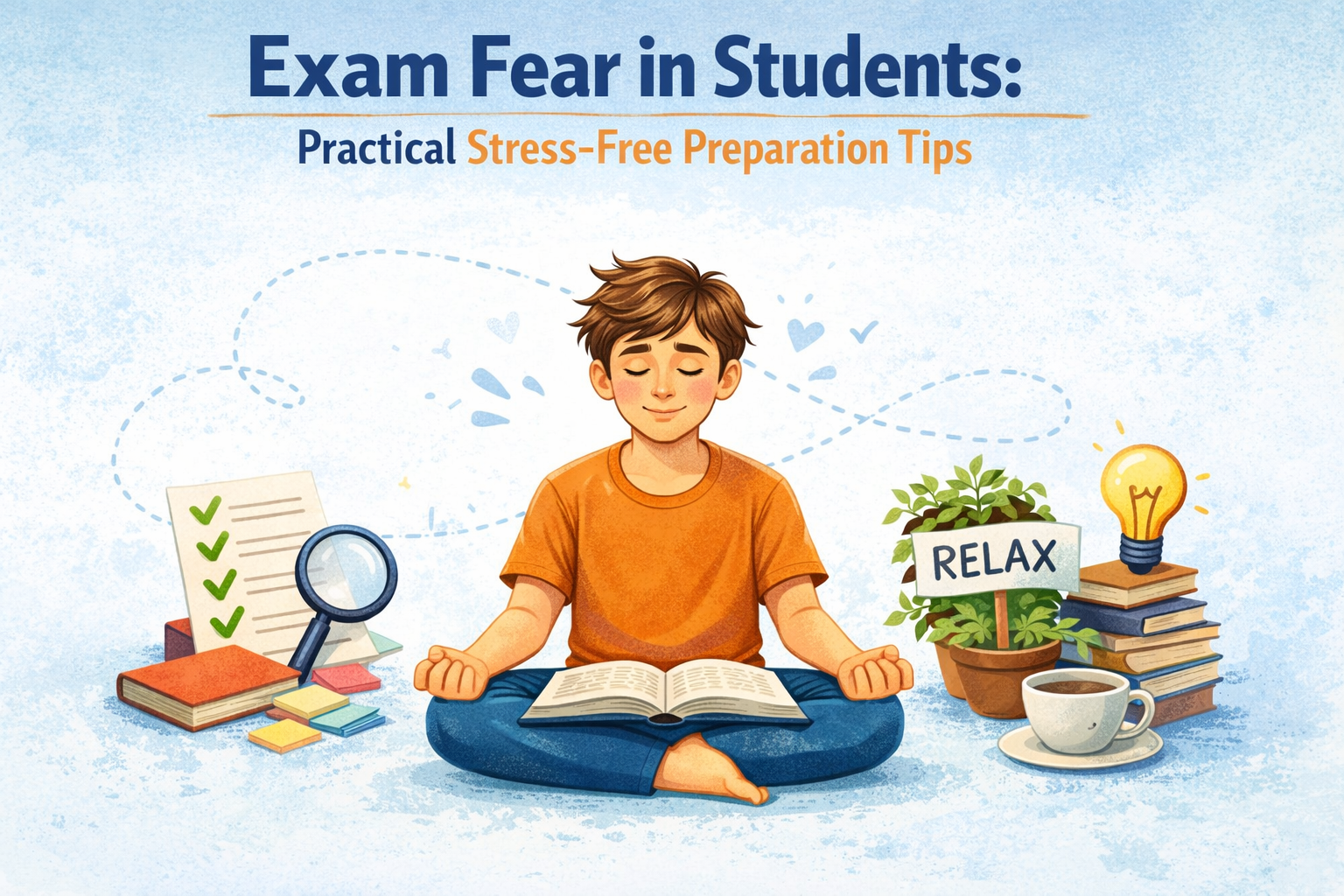
Exams are a significant part of every student’s academic journey, yet many children experience overwhelming exam fear that affects their confidence, performance, and overall well-being. As parents, helping children overcome this fear is essential—not just for academic success but also for their emotional development. Whether your child studies in one of the supportive icse schools in bangalore or prepares independently at home, the right approach can turn exam time into a manageable and even motivating experience.
Exam fear is common, but with practical techniques and consistent emotional support, students can build resilience and approach exams with clarity instead of anxiety. This guide explores the causes of exam fear, its impact on children, and actionable strategies parents can use to help their children prepare confidently and stress-free.
Understanding What Exam Fear Really Is
Exam fear is not simply nervousness—it’s a combination of worry, self-doubt, and pressure. Children often feel overwhelmed by expectations, fear of failure, or uncertainty about how to prepare effectively. When these emotions build up, students may experience:
- Difficulty concentrating
- Sudden memory lapses
- Fatigue or lack of sleep
- Constant worry
- Negative thinking
- Loss of motivation
Understanding these signs early helps parents take supportive steps before the fear becomes too intense, a proactive approach often emphasized by schools near Begur Road to support students’ emotional well-being and academic confidence.
Why Students Experience Exam Fear
Every child is unique, but there are common triggers behind exam fear. Identifying the root cause is the first step toward meaningful solutions.
1. High Expectations and Pressure
Children may feel pressured to perform well—either from themselves, parents, or peers. This pressure often creates stress rather than motivation.
2. Poor Preparation or Last-Minute Studying
Lack of planning often increases anxiety. When students rush through topics, they feel uncertain about their understanding.
3. Fear of Failure
Many students associate exams with judgment. This fear can affect both confidence and performance.
4. Lack of Confidence
Some children doubt their own abilities, even when they’ve prepared well.
5. Comparison with Others
Comparing themselves with classmates or siblings can heighten exam fear and reduce self-esteem.
6. Limited Understanding of Concepts
When foundational concepts are unclear, students automatically feel more stressed during exam season.
Exam fear affects more than just academic scores; it influences emotional health, cognitive processing, and overall well-being—an area of student development that international schools in Bangalore actively address through balanced curricula and supportive learning environments.
Academic Impact
- Reduced memory retention
- Poor performance due to panic
- Difficulty focusing on questions during exams
Emotional Impact
- Mood swings
- Loss of motivation
- Irritability and frustration
Physical Impact
- Fatigue
- Restlessnes
- Headaches
Schools that focus on holistic learning—such as several international schools in bangalore (https://rbia.in/)—often implement strategies to help children manage stress more effectively.
Helping children battle exam fear requires a mix of emotional support, effective strategies, and proper planning. These practical solutions can make exam preparation calmer and more structured.
1. Create a Realistic Study Plan
A well-organized study plan reduces uncertainty and builds confidence.
How to Build an Effective Plan
- Break the syllabus into manageable sections
- Set daily and weekly study goals
- Include revision time
- Avoid long, exhausting sessions
- Add regular breaks to stay refreshed
With a clear plan, students feel more in control—naturally reducing exam fear.
2. Encourage Regular Revision
Revision is one of the most effective methods to improve retention and reduce panic.
Revision Techniques
- Mind maps
- Flashcards
- Chapter summaries
- Mock tests
Consistent revision ensures that students don’t forget what they’ve learned and boosts confidence before exams.
3. Practice Previous Years’ Question Papers
Attempting past papers helps students understand:
- Question patterns
- Time management
- Important concepts
- Real exam experience
The more familiar children become with the exam format, the less exam fear they face.
4. Use Active Learning Methods
Understanding concepts is more effective than memorizing them.
Active Learning Ideas
- Teaching the concept to someone else
- Using real-life examples
- Group discussions
- Learning through diagrams or visuals
Active learning improves clarity and reduces confusion, which automatically lowers stress.
5. Build a Calm and Productive Study Environment
The environment plays a crucial role in reducing exam fear.
Tips for an Ideal Study Space
- Clean, organized desk
- Proper lighting
- Minimal distractions
- Comfortable seating
- Quiet surroundings
A peaceful space helps students stay focused and relaxed.
6. Encourage Healthy Lifestyle Habits
A healthy mind and body contribute significantly to stress-free learning.
Healthy Habits to Encourage
- Regular sleep schedule
- Nutritious meals
- Physical activity
- Staying hydrated
- Short mindfulness breaks
These habits improve concentration, memory, and emotional balance.
7. Teach Relaxation and Breathing Techniques
Simple relaxation exercises can greatly reduce exam fear.
Effective calming techniques
- Deep breathing for 2–3 minutes
- Light stretching
- Listening to calm music
- Short meditation sessions
These help control anxiety and improve focus during study sessions and the exam itself.
8. Reduce the Pressure and Avoid Comparisons
Children perform best when they feel supported, not judged.
What Parents Should Do
- Avoid comparing siblings or classmates
- Praise effort, not just results
- Encourage open conversations
- Reassure your child that it’s okay to make mistakes
Reducing pressure helps students prepare with confidence rather than fear.
9. Teach Time Management Skills
Time management is one of the key tools to overcome exam fear.
Ways to Improve Time Planning
- Use timers during study sessions
- Prioritize difficult subjects first
- Plan daily and weekly goals
- Track progress with a calendar
Organized time leads to organized studying.
10. Seek School Support When Needed
Schools play an important role in managing student stress. Many of the best international schools in bangalore focus on emotional well-being along with academics. Teachers can guide students with revision strategies, practice papers, and supportive feedback.
Even well-prepared students can feel anxious on exam day. These simple strategies help children stay calm and confident.
Exam Day Strategies
- Wake up early and avoid rushing
- Eat a balanced breakfast
- Review only key points
- Reach the center on time
- Read the question paper carefully
- Start with the easiest questions
- Maintain steady pace while writing
- Stay hydrated
These habits help control exam fear and improve performance.
Exam fear is common, but it doesn’t have to control a child’s performance or well-being. With the right strategies—such as effective planning, active learning, healthy habits, and emotional support—students can overcome stress and prepare with clarity and confidence. As parents, your encouragement plays a significant role in helping your child turn fear into focus. With consistent guidance, children learn to face exams with positivity and resilience, building essential life skills that will support them far beyond the classroom.
Quick answers
Frequently Asked Questions