

Parents today are increasingly aware that academic success depends on more than textbooks and exams. Skills such as logical thinking, concentration, memory, and problem-solving play a crucial role in how children learn and apply knowledge. One of the most effective ways to develop these skills—without adding pressure—is through well-designed brain games.
Brain games for kids combine learning with play, helping children strengthen cognitive abilities while enjoying the process. This article explains why brain games matter, how schools use them to support thinking skills, and highlights ten practical brain games that parents can encourage both at school and at home.
Why Thinking Skills Matter in a Child’s Education
Thinking skills form the foundation of learning. When children learn how to analyse, reason, and make connections, they perform better not only academically but also in real-life situations.
Strong thinking skills help children:
- Understand concepts instead of memorising answers
- Solve problems independently
- Improve attention and focus
- Adapt to new learning challenges
- Build confidence in classrooms and exams
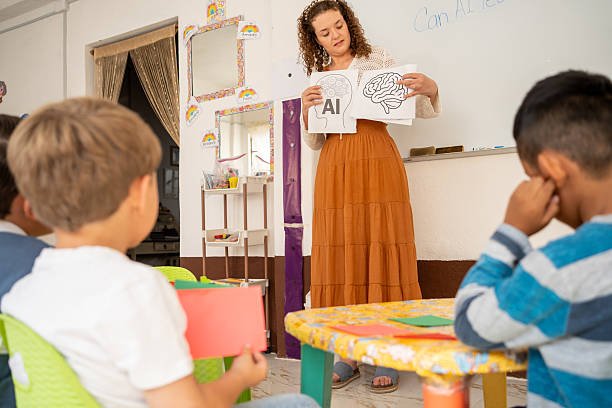
Many schools now intentionally integrate brain games for kids into classroom activities to support holistic development alongside academics.
How Brain Games Support Cognitive Development
Brain games are structured activities that stimulate different areas of the brain. They are designed to challenge memory, logic, language, and reasoning in an age-appropriate way.
Effective brain games:
- Encourage active thinking rather than passive learning
- Improve neural connections through repetition and challenge
- Make learning enjoyable and stress-free
- Support different learning styles
Schools that focus on experiential and activity-based learning often use such games to reinforce academic concepts naturally.
10 Brain Games That Boost Kids’ Thinking Skills
1. Puzzles and Jigsaw Games
Jigsaw puzzles help children recognise patterns, visualise outcomes, and develop spatial awareness. They also improve patience and attention to detail.
These are among the most commonly used brain games for kids in early and primary years classrooms.
2. Memory Card Games
Memory-matching games strengthen short-term and working memory. They teach children to focus, observe carefully, and recall information accurately.
Such activities are frequently incorporated into classroom routines at icse schools in electronic city to support concentration and recall.
3. Sudoku and Number Puzzles
Number-based puzzles help children develop logical reasoning and problem-solving skills. They encourage children to think systematically and identify patterns.
These games are particularly beneficial for strengthening mathematical thinking in a low-pressure format.
4. Word Games and Vocabulary Challenges
Games such as word building, crosswords, and spelling challenges improve language skills and verbal reasoning. They also enhance comprehension and expression.
Many best icse schools in south bangalore use structured word games to support language development across grade levels.
5. Strategy Board Games
Board games that involve planning, turn-taking, and strategy help children develop foresight and decision-making skills. They also teach children how to handle wins and losses constructively.
These games strengthen executive functioning and social thinking.
6. Logic and Reasoning Games
Logic puzzles challenge children to analyse clues, eliminate possibilities, and arrive at correct conclusions. This type of thinking supports subjects like mathematics, science, and coding.
Such brain games for kids encourage deeper thinking rather than surface-level answers.
7. Sequencing and Pattern Games
Games that require arranging objects, numbers, or events in sequence help children understand order, cause-and-effect, and relationships between ideas.
Schools along learning-focused corridors such as icse schools in bannerghatta road often use sequencing activities to build foundational reasoning skills.
8. Role-Playing and Simulation Games
Role-playing allows children to imagine scenarios, solve problems creatively, and express ideas confidently. These games strengthen emotional intelligence along with cognitive skills.
They also improve communication, collaboration, and empathy.
9. Time-Based Thinking Challenges
Timed quizzes or problem-solving games help children think quickly and manage pressure effectively. When used appropriately, they improve focus without creating anxiety.
These challenges should always prioritise participation and effort over competition.
10. Collaborative Problem-Solving Games
Group-based brain games encourage children to share ideas, listen to others, and work toward a solution together. Collaboration strengthens reasoning and social skills simultaneously.
Many academically strong institutions, including best isc schools in bangalore, integrate collaborative thinking activities as part of everyday learning.
How Schools Use Brain Games in Academics
Modern schools understand that thinking skills must be nurtured consistently. Brain games are often embedded into:
- Classroom warm-up activities
- Subject-based learning tasks
- Club activities and enrichment programs
- Assessments that focus on reasoning
Rather than treating games as extras, schools use them strategically to support deeper understanding and long-term learning.
Benefits of Brain Games Beyond Academics
The impact of brain games for kids goes beyond grades. Regular exposure to thinking-based activities helps children:
- Develop resilience when faced with challenges
- Improve attention span
- Build self-confidence
- Enjoy learning instead of fearing it
These benefits support overall development and prepare children for higher academic demands.
How Parents Can Encourage Brain Games at Home
Parents do not need complex tools to support thinking skills. Simple habits at home can make a big difference.
Parents can:
- Set aside time for puzzles or board games
- Encourage word games during travel or breaks
- Praise effort and thinking, not just correct answers
- Limit screen time in favour of interactive games
When children see learning as enjoyable, they naturally engage more deeply.
Choosing Schools That Value Thinking Skills
When selecting a school, parents should look beyond exam results and consider how thinking skills are nurtured. Schools that emphasise inquiry, discussion, and activity-based learning often integrate brain games into daily instruction.
This balanced approach ensures that children are not only academically prepared but also capable thinkers and problem solvers.
Conclusion
Brain games for kids play a vital role in developing thinking skills that support academic success and overall growth. By strengthening memory, reasoning, focus, and problem-solving through enjoyable activities, children learn to think independently and confidently. Schools that thoughtfully integrate brain games into their teaching, along with parental support at home, create a strong foundation for lifelong learning and cognitive development.
Quick answers
Frequently Asked Questions