

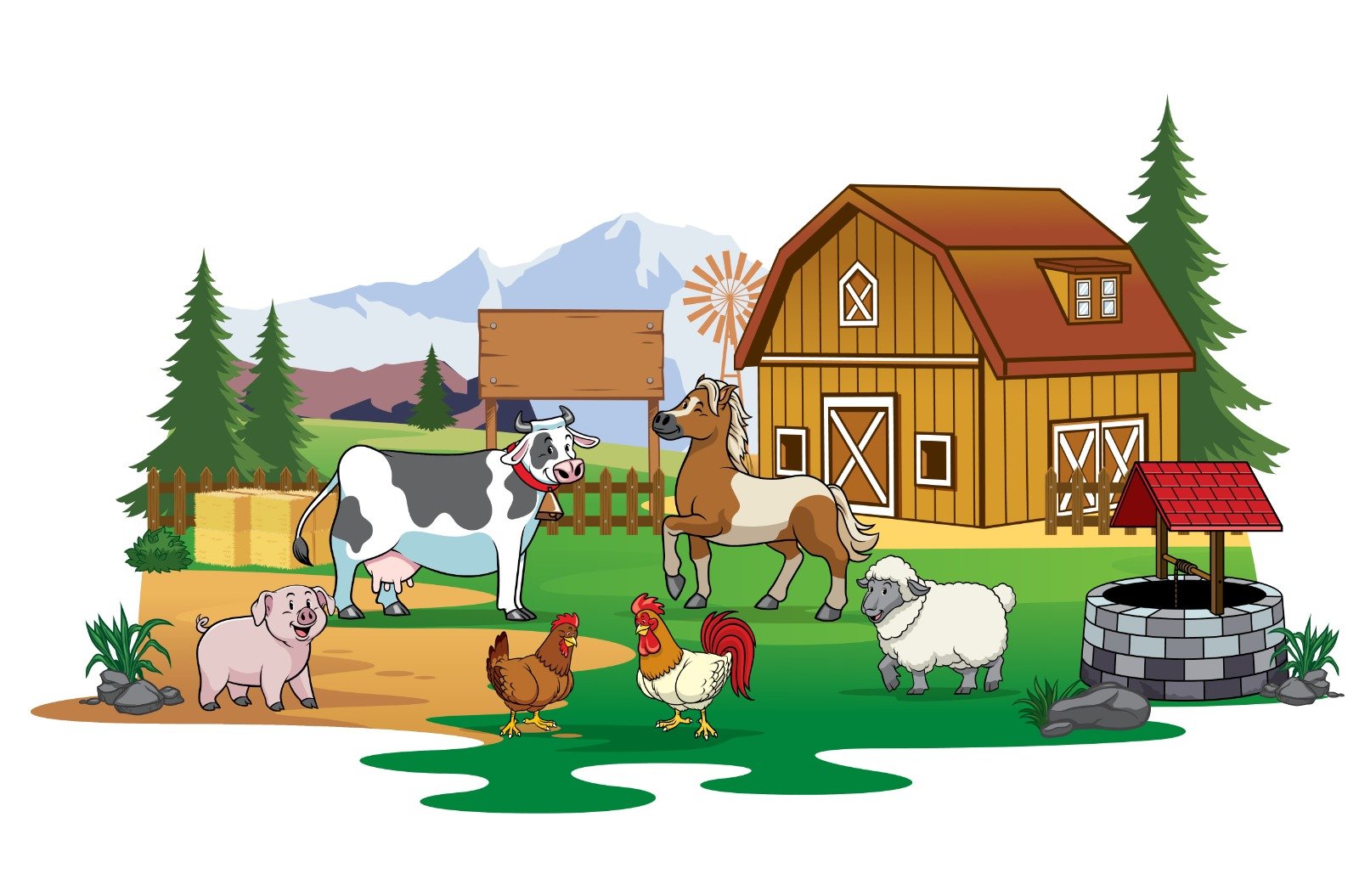
Understanding Animals and their homes is one of the most exciting ways for children to learn about nature and the environment. Every animal—big or small—needs a safe place to live, rest, and protect itself from danger. These homes can be simple like a nest, or complex like a hive or burrow. Learning about these homes helps children develop curiosity, empathy for living beings, and a basic understanding of natural science.
Schools today encourage students to explore nature as part of early learning. Many icse schools in bangalore include lessons on animal habitats to help children observe, understand, and appreciate wildlife in a simple and meaningful way. This guide introduces kids and parents to common animal homes and explains how these homes help animals survive in their environments.
Why Do Animals Need Homes?
Just like humans need a house to stay safe and comfortable, animals need homes for several important reasons:
- Shelter from weather such as rain, heat, and cold
- Protection from predators
- A safe place to raise their young
- Storage for food
- A comfortable area to rest
Understanding Animals and their homes teaches students that every animal adapts its lifestyle based on its habitat and survival needs.
Common Types of Animal Homes
Here are some of the most common homes animals build or use in nature:
1. Nests
Birds are the best example of animals that build nests. They use twigs, leaves, cotton, grass, and even tiny stones to create strong, warm spaces for their eggs.
Examples of animals that live in nests:
- Sparrows
- Pigeons
- Eagles
- Squirrels (tree nests called dreys)
Nests are usually built on trees, roofs, or ledges, depending on the species.
2. Burrows
Burrows are underground tunnels made by animals to stay safe from predators and extreme weather.
Animals that live in burrows:
- Rabbits
- Moles
- Meerkats
- Foxes
Underground homes provide warmth and protection while also allowing animals to hide from bigger predators.
3. Caves
Caves are natural spaces found in hills and mountains. They serve as shelters for animals that prefer dark, cool areas.
Animals that live in caves:
- Bears
- Bats
- Hyenas
These animals use caves for hibernation, sleeping during the day, or raising their babies.
4. Hives
Hives are fascinating engineered homes made by insects like bees and wasps.
Animals that live in hives:
- Honeybees
- Wasps
Bees build wax cells inside hives to store honey and protect their queen. Learning about this helps children appreciate how some animals work together in groups.
5. Water Homes
Some animals live entirely in water and do not need a traditional shelter. Their home is their environment.
Examples include:
- Fish
- Whales
- Dolphins
- Sea turtles
These animals use coral reefs, underwater caves, and ocean currents as protective spaces.
6. Trees and Forest Homes
Many animals spend most of their lives on trees, using branches, bark, and holes for shelter.
Animals that use trees as homes:
- Monkeys
- Koalas
- Owls
- Woodpeckers
Trees provide food, protection, and a high vantage point for safety.
7. Human-Made Homes
Some animals live close to humans and find shelter in buildings and nearby structures.
Examples include:
- Cats
- Dogs
- Cows
- Pigeons
They depend on humans for food, safety, and care.
How Animals Choose Their Homes
Every species chooses or builds its home based on:
- Climate: Polar animals need warm shelters, while desert animals need cool spaces.
- Food availability: Animals live close to where they can find food easily.
- Safety: Their homes keep them safe from predators.
- Family needs: Animals with babies choose protected and warm spaces.
When children learn about Animals and their homes, they begin to understand how nature works in balance and how every animal depends on its environment to survive.
Why Children Should Learn About Animal Homes
Learning about animal homes encourages:
- Observation skills
- Environmental awareness
- Respect for living creatures
- Understanding of habitats and ecosystems
- Curiosity toward science
Many parents prefer international schools in bangalore because they include experiential learning activities—like nature walks, habitat projects, and outdoor exploration—that make these concepts easier to understand.
Fun Activities to Teach Animals and Their Homes
Parents can make learning enjoyable with simple activities:
1. Animal Habitat Sorting Game
Give children pictures of animals and ask them to match them with nest, burrow, cave, or tree.
2. DIY Animal Homes
Use clay, sticks, leaves, or paper to recreate burrows, nests, or hives.
3. Nature Walks
Observe birds, insects, and small animals around your neighborhood and identify their homes.
4. Storytelling
Share bedtime stories about where animals live and how they protect themselves.
5. Model Habitat Projects
Create forest, ocean, or desert models using craft materials to show where different animals live.
Activities like these help young learners connect theory to the real world.
Connecting Learning With Real-World Awareness
Many best international schools in bangalore promote hands-on learning to help children understand nature practically. When students see pictures, videos, and real examples of Animals and their homes, they develop a stronger appreciation for biodiversity and environmental care.
Parents can support this learning at home by encouraging outdoor play, reading nature books, watching wildlife documentaries, and discussing how animals survive. Simple conversations about where birds sleep or how ants build colonies can make learning both fun and meaningful.
Understanding animal homes also fosters empathy—children learn that all living beings need safety, comfort, and care, just like humans.
Conclusion
Learning about Animals and their homes helps children understand the natural world, the importance of habitats, and how each creature adapts to survive. Whether it’s a bird building a nest or a rabbit hiding in a burrow, every animal’s home is unique and essential for its safety and growth. Parents and schools can work together to help children explore these concepts through activities, observation, and discussions. When kids learn about animal homes, they develop curiosity, kindness, and a deeper connection with nature.
Quick answers
Frequently Asked Questions