
Social Skills Development in Daily Life
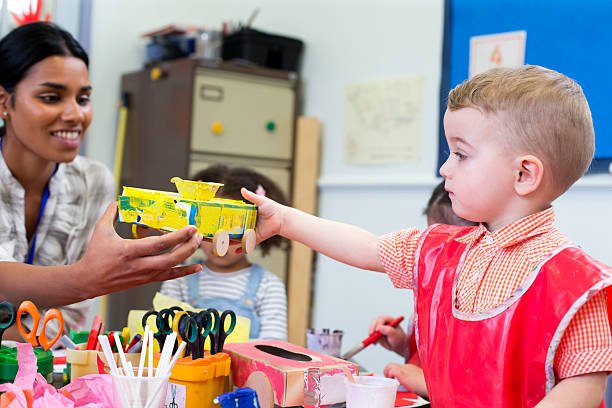
In today’s interconnected world, the ability to communicate effectively and build meaningful relationships is essential. Whether in academic settings, professional environments, or personal interactions, strong interpersonal abilities contribute significantly to overall success. This is where social skills development becomes important. For students, especially during school years, social skills influence not only friendships but also classroom participation, teamwork, and confidence. These skills are not innate for everyone; they can be learned, practiced, and improved over time through consistent effort and guidance. This article explores practical ways to enhance social skills development in daily life, focusing on habits, communication techniques, and the role of educational environments. Understanding Social Skills Development Social skills development refers to the process of learning how to interact effectively with others. It includes abilities such as: Verbal and non-verbal communication Active listening Empathy and understanding Conflict resolution Cooperation and teamwork These skills help individuals navigate social situations confidently and respectfully. Educational environments often play a crucial role in shaping these abilities. Parents researching structured learning spaces, such as top international schools in Bangalore, often consider how schools encourage communication, collaboration, and personality development alongside academics. Why Social Skills Are Important in Daily Life Strong social skills are essential for both academic and personal growth. They help individuals: Build and maintain relationships Express thoughts clearly Work effectively in teams Resolve disagreements constructively Adapt to new environments Students with well-developed social skills tend to participate more actively in classroom discussions and group activities. This contributes to both academic performance and emotional well-being. Practical Ways to Improve Social Skills Development Improving social skills requires consistent practice and awareness. Below are practical strategies that can be incorporated into daily life. 1. Practice Active Listening Active listening is one of the most important components of effective communication. It involves: Paying full attention to the speaker Avoiding interruptions Responding thoughtfully Maintaining eye contact When individuals feel heard, it builds trust and strengthens relationships. 2. Improve Verbal Communication Clear and confident communication helps in expressing ideas effectively. Students can improve by: Speaking in complete sentences Expanding vocabulary Practicing conversations with peers or family Participating in discussions and presentations Educational institutions, including top IB schools in Bangalore, often provide opportunities such as debates and group activities to strengthen communication skills. 3. Develop Non-Verbal Communication Non-verbal cues play a significant role in how messages are perceived. These include: Body language Facial expressions Tone of voice Gestures Maintaining open posture and a friendly expression can make interactions more positive and engaging. 4. Build Empathy and Understanding Empathy is the ability to understand and share the feelings of others. It helps in building meaningful relationships. Students can develop empathy by: Listening to different perspectives Being respectful of others’ opinions Offering support when needed Empathy strengthens both personal and professional interactions. 5. Engage in Group Activities Participating in group activities encourages collaboration and teamwork. Examples include: School projects Sports teams Cultural programs Clubs and extracurricular activities Such experiences teach cooperation, leadership, and adaptability. Schools located in structured academic environments, such as schools in Electronic City, often provide diverse opportunities for students to interact and collaborate. 6. Learn Conflict Resolution Skills Disagreements are a natural part of social interaction. Learning to handle conflicts constructively is essential for social skills development. Key approaches include: Staying calm during disagreements Listening to all perspectives Finding mutually acceptable solutions Avoiding aggressive or negative language Conflict resolution skills help maintain healthy relationships. 7. Build Confidence Through Practice Confidence plays a major role in social interaction. It improves with practice and positive experiences. Students can build confidence by: Participating in public speaking activities Engaging in classroom discussions Interacting with new people gradually Setting small, achievable social goals Supportive environments, such as schools in Bannerghatta Road, often encourage students to step out of their comfort zones through structured activities. 8. Manage Digital and Face-to-Face Communication In modern times, communication occurs both online and offline. While digital platforms are important, face-to-face interaction remains essential for developing strong interpersonal skills. Students should learn to: Balance screen time with real-world interactions Communicate respectfully online Practice direct conversations in everyday situations This balance ensures well-rounded social skills development. Role of Schools in Social Skills Development Educational institutions play a vital role in shaping social behavior. Beyond academic learning, schools provide structured opportunities for interaction, collaboration, and personal growth. Key contributions of schools include: Encouraging teamwork through group assignments Organizing extracurricular activities Promoting inclusive and respectful environments Providing platforms for public speaking and leadership Parents often evaluate these aspects when selecting schools. Institutions recognized among top international schools in Bangalore typically focus on holistic development, including communication and interpersonal skills. Role of Parents in Enhancing Social Skills Parents are equally important in guiding children toward better social behavior. Effective approaches include: Encouraging open communication at home Teaching polite behavior and respect Providing opportunities for social interaction Offering constructive feedback Leading by example Consistent support from parents helps children apply social skills in real-life situations. Overcoming Common Challenges Some students may face difficulties in social interaction due to: Shyness or introversion Fear of judgment Lack of exposure to group settings These challenges can be addressed gradually through: Encouraging small interactions Providing supportive environments Practicing communication regularly Building confidence step by step Social skills improve over time with patience and consistent effort. Long-Term Benefits of Social Skills Development Developing strong social skills offers long-term advantages, including: Better academic performance Stronger personal relationships Improved teamwork and leadership abilities Greater career readiness Enhanced emotional intelligence These benefits highlight the importance of focusing on social skills development from an early age. Conclusion Improving social skills development in daily life is essential for building confidence, fostering relationships, and achieving success in both academic and personal environments. Through consistent practice, supportive guidance, and participation in interactive activities, students can develop the ability to communicate effectively and collaborate with others. Both schools and parents play a crucial role in shaping these skills. By creating opportunities for interaction, encouraging open communication, and promoting empathy, they help students build a strong foundation