
How To Improve Your Child’s Exam Results: 10 Useful and Effective Tips

Academic performance is a key concern for many parents, especially during exam periods. While every child has unique learning abilities, the right guidance, environment, and strategies can significantly improve outcomes. Understanding how to support children effectively can make a meaningful difference in both their confidence and results. Improving exam performance is not about increasing pressure but about creating a balanced approach that includes smart study techniques, emotional support, and healthy habits. This article presents 10 practical and effective tips to help parents enhance their child’s academic performance and build long-term learning skills. Understanding the Factors That Affect Exam Performance Before exploring strategies, it is important to recognize the factors that influence exam results: Study habits and time management Level of understanding of concepts Emotional well-being and stress levels Learning environment at home Support from parents and teachers Schools that focus on holistic development, such as international schools in Bangalore, often address these factors by combining academics with life skills and student well-being. 1. Create a Structured Study Plan A well-organized study schedule helps children manage their time effectively and reduces last-minute stress. Key Points: Divide subjects into manageable sections Allocate time based on difficulty levels Include short breaks to maintain focus Consistency in following a schedule improves productivity and confidence. 2. Focus on Conceptual Understanding Encourage children to understand topics rather than memorize them. Concept-based learning helps: Improve retention Build strong foundations Enhance problem-solving abilities Educational frameworks followed by IB schools in Bangalore often emphasize inquiry-based learning, which supports deeper understanding. 3. Encourage Regular Revision Revision is essential for reinforcing learning. Parents can help children: Review key concepts regularly Use summary notes or flashcards Practice previous exam papers Frequent revision reduces anxiety and improves recall during exams. 4. Provide a Distraction-Free Study Environment A quiet and organized study space helps children concentrate better. Tips: Choose a well-lit and comfortable area Keep study materials organized Minimize noise and interruptions A structured environment enhances focus and efficiency. 5. Promote Healthy Lifestyle Habits Physical well-being directly affects academic performance. Encourage: Balanced nutrition Adequate sleep (7–9 hours) Regular physical activity Healthy routines improve energy levels, concentration, and memory. 6. Build Strong Time Management Skills Time management is a critical skill for exam success. Children should learn to: Prioritize tasks Avoid procrastination Allocate time effectively for each subject Schools such as ICSE schools in Bangalore often emphasize structured learning approaches that help students develop discipline and time management. 7. Encourage Practice Through Mock Tests Practicing sample papers and mock tests helps children: Understand exam patterns Improve speed and accuracy Identify strengths and weaknesses Regular practice builds familiarity and reduces exam fear. 8. Provide Emotional Support and Motivation Children often feel pressure during exams. Emotional support from parents plays a vital role. Parents should: Encourage open communication Avoid excessive pressure Recognize effort, not just results A supportive approach helps children stay motivated and confident. Parents exploring best international schools in Bangalore often prioritize institutions that support student well-being alongside academics. 9. Encourage Breaks and Relaxation Continuous studying without breaks can lead to fatigue and reduced productivity. Effective Strategies: Follow the 45–60 minute study rule with short breaks Engage in light activities such as walking or stretching Practice relaxation techniques Balanced study sessions improve focus and retention. 10. Teach Positive Thinking and Confidence A positive mindset can significantly influence exam performance. Encourage children to: Believe in their abilities Stay calm under pressure Learn from mistakes Confidence helps students approach exams with clarity and composure. Role of Schools in Improving Academic Performance Schools play an essential role in shaping a child’s academic journey. Institutions that integrate structured teaching, continuous assessment, and skill development create a supportive learning environment. Many international schools in Bangalore and other leading institutions focus on: Concept-based learning Regular assessments Personalized attention Co-curricular balance Such approaches help students perform better academically while maintaining overall well-being. Long-Term Benefits of Effective Study Habits The strategies used to improve exam results also contribute to long-term development. Children who adopt these habits are more likely to: Develop discipline and responsibility Improve problem-solving abilities Build confidence and independence Perform consistently in academics These skills extend beyond school and support future academic and career success. Conclusion Improving a child’s exam results requires a balanced combination of effective study strategies, emotional support, and healthy routines. By focusing on understanding, consistency, and confidence, parents can help children achieve better outcomes without unnecessary stress. The 10 tips outlined in this article provide a practical framework for supporting children during their academic journey. With the right guidance and encouragement, students can not only improve their exam performance but also develop lifelong learning skills that contribute to their overall success. FAQs 1. How can parents help improve their child’s exam results?Parents can create structured study plans, provide a supportive environment, and encourage healthy habits and regular revision. 2. How important is time management for exam success?Time management helps students prioritize tasks, stay organized, and reduce last-minute stress. 3. Should children focus on memorization or understanding?Understanding concepts is more effective as it improves retention and helps in applying knowledge during exams. 4. How can mock tests help students?Mock tests improve speed, accuracy, and familiarity with exam patterns, boosting confidence. 5. What role does emotional support play during exams?Emotional support reduces stress, builds confidence, and helps children stay motivated and focused.
Brain Boosting Foods for Kids Before Exams
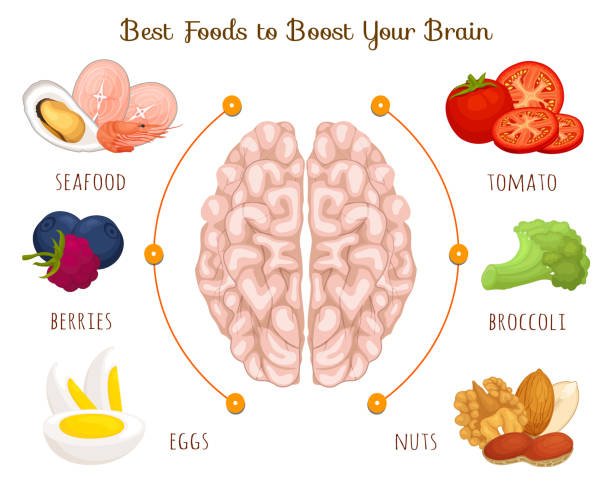
Examination periods can be demanding for children, requiring sustained concentration, memory retention, and mental clarity. While effective study habits and proper rest are essential, nutrition also plays a significant role in supporting cognitive performance. Choosing the right brain boosting foods for kids can help enhance focus, improve energy levels, and support overall well-being during exams. Parents often focus on study schedules but may overlook the importance of a balanced diet. Providing children with the right nutrients can make a noticeable difference in how they prepare for and perform during exams. This article explores essential brain-friendly foods, their benefits, and practical dietary tips for exam readiness. Why Nutrition Matters During Exams The brain requires a steady supply of nutrients to function efficiently. During exams, children need: Sustained energy for long study sessions Improved concentration and alertness Enhanced memory and recall ability Reduced fatigue and stress A well-balanced diet supports these needs, helping students stay focused and productive. Schools that emphasize holistic development, such as best international schools in Bangalore, often highlight the importance of nutrition alongside academics. Key Nutrients for Brain Development Understanding essential nutrients helps in selecting the right brain boosting foods for kids. 1. Omega-3 Fatty Acids These are crucial for brain development and cognitive function. Sources: Walnuts Flaxseeds Fish (such as salmon) 2. Protein Protein supports neurotransmitter function and sustained energy. Sources: Eggs Dairy products Lentils and beans 3. Complex Carbohydrates They provide a steady release of energy, preventing sudden fatigue. Sources: Whole grains Oats Brown rice 4. Vitamins and Minerals Micronutrients such as iron, zinc, and B vitamins are essential for brain health. Sources: Leafy greens Fruits Nuts and seeds Top Brain Boosting Foods for Kids Before Exams Including a variety of nutrient-rich foods in daily meals can significantly enhance cognitive performance. 1. Nuts and Seeds Nuts like almonds and walnuts are excellent brain boosting foods for kids. They contain healthy fats, antioxidants, and vitamin E, which support memory and concentration. 2. Fresh Fruits Fruits such as bananas, apples, and berries provide natural sugars, fiber, and essential vitamins. They help maintain energy levels and improve focus. 3. Dairy Products Milk, yogurt, and cheese are rich in protein and calcium. They support brain function and help children stay energized throughout the day. 4. Eggs Eggs are a valuable source of protein and choline, a nutrient important for memory development. Including eggs in breakfast can improve concentration during study sessions. 5. Whole Grains Whole grains like oats and whole wheat provide sustained energy, making them ideal for long study hours. 6. Green Leafy Vegetables Vegetables such as spinach and broccoli are rich in vitamins and antioxidants that support brain health. 7. Dark Chocolate (in Moderation) Dark chocolate contains flavonoids and antioxidants that can enhance brain function and improve mood when consumed in small quantities. Importance of a Healthy Breakfast Breakfast is often referred to as the most important meal of the day, especially during exams. A nutritious breakfast helps: Improve concentration and alertness Provide sustained energy Enhance memory performance A balanced breakfast may include: Whole grains (such as oats or whole wheat bread) Protein (eggs or milk) Fruits Students attending institutions like top international schools in Bangalore are often encouraged to maintain healthy morning routines to support academic performance. Hydration and Its Role in Brain Function Staying hydrated is essential for maintaining focus and preventing fatigue. Children should: Drink sufficient water throughout the day Avoid excessive sugary or caffeinated beverages Dehydration can lead to reduced concentration and increased tiredness, affecting exam performance. Foods to Avoid During Exams While focusing on brain boosting foods for kids, it is equally important to avoid foods that may hinder performance. Limit: Processed and junk food Sugary snacks and beverages Excessively oily or fried foods Caffeinated drinks These foods can cause energy crashes and reduce concentration levels. Creating a Balanced Exam Diet Plan Parents can support children by planning balanced meals that include: Breakfast: Oats with milk and fruits Mid-morning snack: Nuts or fruit Lunch: Whole grains, vegetables, and protein Evening snack: Yogurt or healthy snacks Dinner: Light, nutritious meal with vegetables and protein Consistency in meal timing helps maintain energy levels throughout the day. Parents exploring schools in Electronic City or schools in Bannerghatta Road often consider institutions that emphasize both academic excellence and student well-being, including healthy lifestyle habits. Role of Parents in Supporting Healthy Eating Parents play a crucial role in ensuring children follow a balanced diet during exams. Practical Tips Prepare home-cooked meals Encourage regular meal timings Involve children in meal planning Avoid introducing new or unfamiliar foods during exams Promote mindful eating habits A supportive approach helps children maintain both physical and mental well-being. Combining Nutrition with Healthy Habits While diet is important, it should be complemented with other healthy practices: Adequate sleep (7–9 hours) Regular physical activity Short breaks during study sessions Stress management techniques A balanced routine enhances the effectiveness of brain boosting foods for kids. Long-Term Benefits of Healthy Eating Habits Developing healthy eating habits during exam periods can have lasting benefits, including: Improved academic performance Better physical health Enhanced concentration and productivity Stronger immunity Lifelong healthy lifestyle choices These habits support overall growth and development beyond exams. Conclusion Providing the right brain boosting foods for kids before exams is an essential part of preparing them for academic success. A balanced diet rich in nutrients supports memory, concentration, and energy levels, helping children perform at their best. With proper planning, consistent routines, and a focus on healthy eating, parents can create an environment that supports both academic achievement and overall well-being. When combined with effective study habits and emotional support, good nutrition becomes a powerful tool in helping children succeed during exams and beyond. FAQs 1. What are the best brain boosting foods for kids before exams?Foods such as nuts, fruits, eggs, dairy products, and whole grains are excellent for improving focus and memory. 2. Why is breakfast important during exams?A healthy breakfast provides energy, improves concentration, and enhances memory performance. 3. Should children avoid
How Parents Can Help Children Cope With Exam Stress

Examinations are an integral part of a student’s academic journey, but they often bring with them a significant amount of pressure and anxiety. While a certain level of stress can motivate students to perform better, excessive stress can negatively impact their mental well-being, confidence, and academic performance. For many children, exam periods can lead to feelings of fear, self-doubt, and fatigue. This is where parental support becomes crucial. By providing the right guidance, encouragement, and environment, parents can help children manage stress effectively and approach exams with confidence. This article explores practical strategies parents can adopt to help children cope with exam stress and maintain a balanced, healthy approach to learning. Understanding Exam Stress in Children Exam stress is a natural response to academic pressure. It may arise due to: Fear of failure or poor performance High expectations from self or others Lack of preparation or time management Comparison with peers Pressure to meet academic goals Recognizing the signs of stress is the first step in addressing it effectively. Common Signs of Exam Stress Difficulty concentrating Irritability or mood swings Changes in sleep patterns Loss of appetite Avoidance of studies Lack of confidence Early identification allows parents to intervene and provide timely support. Creating a Supportive Home Environment A calm and positive home environment plays a significant role in reducing exam stress. Maintain a Balanced RoutineEncourage a daily schedule that includes: Study time Short breaks Physical activity Adequate sleep A well-structured routine helps children feel more organized and less overwhelmed. Provide a Quiet Study SpaceA dedicated study area free from distractions helps improve concentration and productivity. Encourage Healthy HabitsProper nutrition, hydration, and sleep are essential for maintaining energy levels and focus during exams. Encouraging Effective Study Techniques Parents can guide children in adopting study methods that reduce stress and improve efficiency. Break Down Study MaterialDividing subjects into smaller sections makes learning more manageable and less intimidating. Use TimetablesCreating a realistic study plan helps students stay on track and avoid last-minute stress. Focus on Understanding, Not MemorizationEncourage children to understand concepts rather than rely solely on rote learning. This improves retention and confidence. Schools that emphasize structured learning approaches, such as IB schools in Bangalore, often promote concept-based learning, which can help reduce academic pressure. Emotional Support and Open Communication One of the most important roles parents play is providing emotional support. Listen Without JudgmentAllow children to express their concerns and fears openly. Listening helps them feel understood and supported. Avoid Excessive PressureWhile expectations are natural, unrealistic demands can increase stress. Focus on effort and improvement rather than just results. Offer EncouragementPositive reinforcement boosts confidence and motivates children to perform their best. Teaching Stress-Management Techniques Helping children learn simple stress-management strategies can make a significant difference. Relaxation Techniques Deep breathing exercises Short meditation sessions Listening to calming music Physical ActivityRegular physical activity helps reduce stress and improve mood. Even short walks or light exercise can be beneficial. Breaks and RecreationEncourage children to take short breaks during study sessions to relax and recharge. Avoiding Comparison and Building Confidence Comparison with peers can increase anxiety and reduce self-esteem. Parents should: Focus on the child’s individual progress Celebrate small achievements Encourage self-improvement rather than competition Confidence grows when children feel valued for their efforts, not just their outcomes. Role of Schools in Managing Exam Stress Schools also play an important role in supporting students during exam periods. Many international schools in Bangalore focus on holistic development and incorporate stress-management practices into their academic framework. These may include: Counseling sessions Balanced assessment methods Co-curricular activities Student wellness programs Similarly, ICSE schools in Bangalore often emphasize structured learning and time management, helping students prepare effectively for exams. Encouraging a Positive Mindset A positive mindset can significantly reduce exam-related anxiety. Help Children Set Realistic GoalsEncourage achievable targets based on their abilities and preparation level. Promote Growth MindsetTeach children that mistakes are part of the learning process and an opportunity for improvement. Focus on Effort, Not Just ResultsRecognizing effort helps children stay motivated and reduces fear of failure. Supporting Children During Exams During the exam period, parents can provide additional support by: Ensuring children get enough rest before exams Providing nutritious meals Offering words of encouragement Avoiding last-minute pressure or criticism A calm and supportive approach helps children stay focused and confident. After Exams: Handling Results Positively Parental response after exams is equally important. Avoid Immediate CriticismAllow children time to relax after exams before discussing results. Focus on Learning OutcomesDiscuss what went well and areas for improvement in a constructive manner. Celebrate EffortAcknowledging hard work encourages a positive attitude toward future challenges. Long-Term Benefits of Managing Exam Stress Helping children cope with exam stress equips them with valuable life skills such as: Time management Emotional resilience Problem-solving abilities Self-discipline These skills are essential not only for academic success but also for personal and professional growth. Conclusion Exam stress is a common challenge faced by students, but with the right support, it can be managed effectively. Parents play a vital role in helping children navigate this phase by creating a positive environment, encouraging healthy study habits, and providing emotional support. By focusing on understanding, effort, and well-being rather than just results, parents can help children approach exams with confidence and resilience. With consistent guidance and encouragement, students can overcome exam anxiety and develop a balanced approach to learning and success. FAQs 1. What causes exam stress in children?Exam stress can result from fear of failure, high expectations, lack of preparation, and comparison with peers. 2. How can parents help reduce exam stress?Parents can provide emotional support, create a structured routine, encourage healthy habits, and avoid putting excessive pressure on children. 3. What are signs of exam stress in children?Common signs include anxiety, irritability, difficulty concentrating, sleep disturbances, and lack of confidence. 4. Are breaks important during study time?Yes, short breaks help improve focus, reduce fatigue, and enhance productivity. 5. How should parents react after exam results?Parents should focus on effort and learning outcomes, provide constructive feedback, and encourage