
Pros and Cons of Mobile Phones for Students – A Balanced Perspective
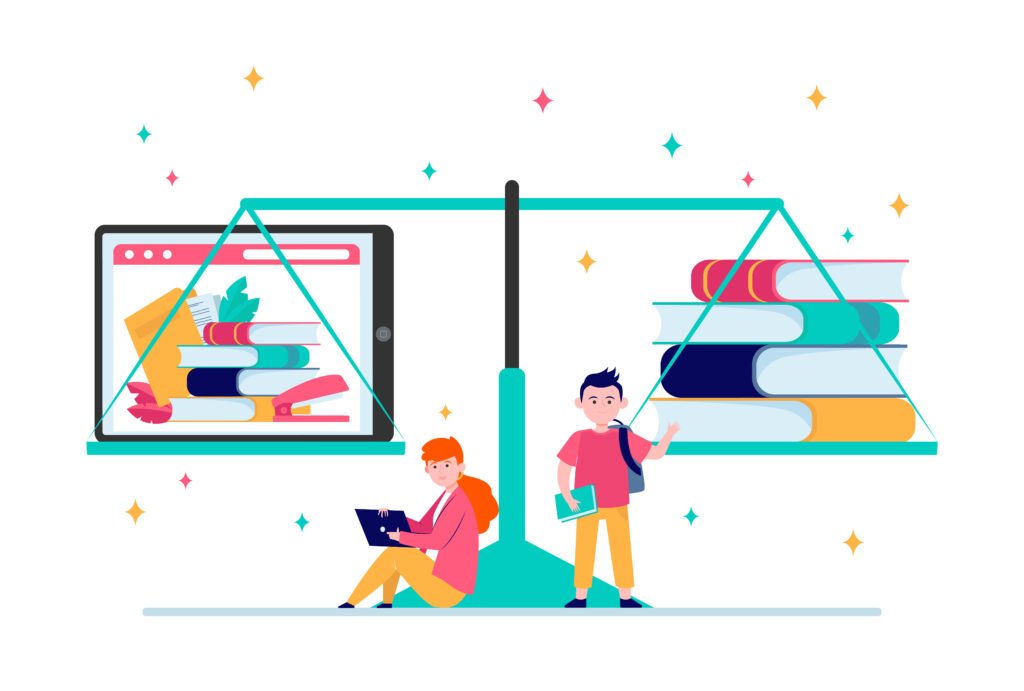
Imagine a student preparing for an exam. On one side, her mobile phone is helping her revise videos, track her study schedule, and connect with her group for doubt clarification. On the other side, a single notification pulls her into an hour-long scroll through social media. Sound familiar? This is the reality for most students today — mobile phones are no longer just tools for communication. They’re personal tutors, planners, social spaces, and sometimes, the biggest sources of distraction. Understanding the pros and cons of mobile phones is no longer optional — it’s essential. Let’s explore how these devices can both support and sabotage student life, and what we can do to manage them better. Advantages of Mobile Phones for Students When used with purpose and control, mobile phones offer a range of educational, emotional, and practical benefits for students. 1. Learning Without Walls Gone are the days when learning stopped at the school gate. Today’s students can access lessons, quizzes, tutorials, and revision materials at the tap of a screen. Whether it’s a science concept explained through animation or a podcast that simplifies history, mobile phones turn passive reading into dynamic learning. A student who struggles with traditional methods can now find alternatives that suit their style — all available on their phone. 2. Collaboration Made Easy Whether working on a group assignment or preparing for a quiz, students no longer have to wait until the next school day to share ideas. Group chats, voice notes, and collaborative apps help them stay in sync, no matter where they are. This real-time collaboration strengthens teamwork skills — a key quality valued by some of the best international schools in Bangalore, where modern classrooms extend beyond physical boundaries. 3. Time Management and Academic Planning Mobile phones can double as academic planners. From setting reminders for homework to scheduling revision sessions, phones help students organize their day more effectively. By using apps to break down tasks, plan breaks, and avoid last-minute cramming, students build time management habits that stay with them for life. 4. Flexibility and Micro-Learning Not all learning happens in 60-minute blocks. Sometimes, a 15-minute break between classes or a bus ride is enough to revise a concept or learn a new word. With access to flashcards, bite-sized quizzes, and audiobooks, phones empower students to turn downtime into productive time. 5. Safety, Security, and Support Beyond learning, mobile phones offer reassurance to both students and parents. In case of emergencies, delays, or last-minute changes in schedule, staying connected builds confidence and reduces anxiety. Disadvantages of Mobile Phones for Students Despite all the advantages, unchecked mobile phone use can come at a cost — not just to academics, but also to mental, physical, and emotional wellbeing. 1. A Constant Stream of Distractions Even during study hours, notifications, games, and social updates compete for attention. Students may sit down to study with the best intentions — only to find themselves lost in videos or messages hours later. This constant interruption makes it harder to focus deeply, understand concepts, and complete tasks efficiently. 2. Sleep Disruption and Health Hazards Late-night scrolling is a common routine for many students. But exposure to blue light before bed interferes with sleep cycles, leading to fatigue, irritability, and poor attention in class. Excessive screen time also causes eye strain, back and neck issues, and reduces physical activity — a growing concern for health-conscious educators and parents. 3. Screen Dependency and Emotional Stress When students can’t stay away from their phones for even a short time, it points to deeper dependency. Overuse can lead to anxiety, shorter attention spans, and feelings of restlessness when offline. The emotional toll is often subtle: social comparison on apps, the pressure to always stay connected, and reduced interest in real-world activities. 4. Exposure to Unsafe Content and Online Risks The internet is vast — and not all of it is age-appropriate. Without filters or supervision, students may stumble upon harmful content or interact with strangers. Understanding and teaching online safety tips is critical to help students navigate their digital spaces responsibly. 5. Weakening of Discipline and Daily Routine When phones dictate daily routines instead of supporting them, students fall behind on sleep, procrastinate on homework, and lose track of responsibilities. Teaching discipline in a student’s life becomes more than a value — it becomes a necessity to reclaim structure and focus. Helping Students Build Healthy Digital Habits The goal isn’t to eliminate mobile phone use — it’s to ensure that students use their devices consciously, purposefully, and within boundaries. What Parents Can Do Create a family agreement on screen time and phone-free zones (like bedrooms or dinner tables) Encourage screen-free hobbies and physical activities Monitor apps, browsing behavior, and usage patterns Practice positive parenting by leading through example, offering guidance over control, and keeping lines of communication open What Schools Can Do Use mobile phones as tools for blended learning and digital creativity Educate students about respectful online behavior, privacy, and digital etiquette Designate tech-free periods during school hours Introduce digital wellness sessions to help students understand the emotional impact of overuse Some of the best international schools in Electronic City take this balanced approach — encouraging students to embrace technology without letting it control their lives. Digital Discipline Checklist for Students Here’s a simple weekly checklist students can use to reflect on their phone usage: Am I Using My Phone Responsibly? Do I keep my phone on silent or away during study time? Do I avoid using screens one hour before sleeping? Do I use my phone more for learning than for entertainment? Do I spend more time talking to people in person than texting them? Do I take regular screen breaks and engage in offline hobbies? If the answer is “yes” to most of these, you’re on the right track. If not, it’s time to rethink how you’re using your time and attention. Conclusion Mobile phones are powerful — they can help students learn, connect, and grow. But