

6 Practical Ways to Protect Your Child From Common Monsoon Illnesses and Keep Them Healthy
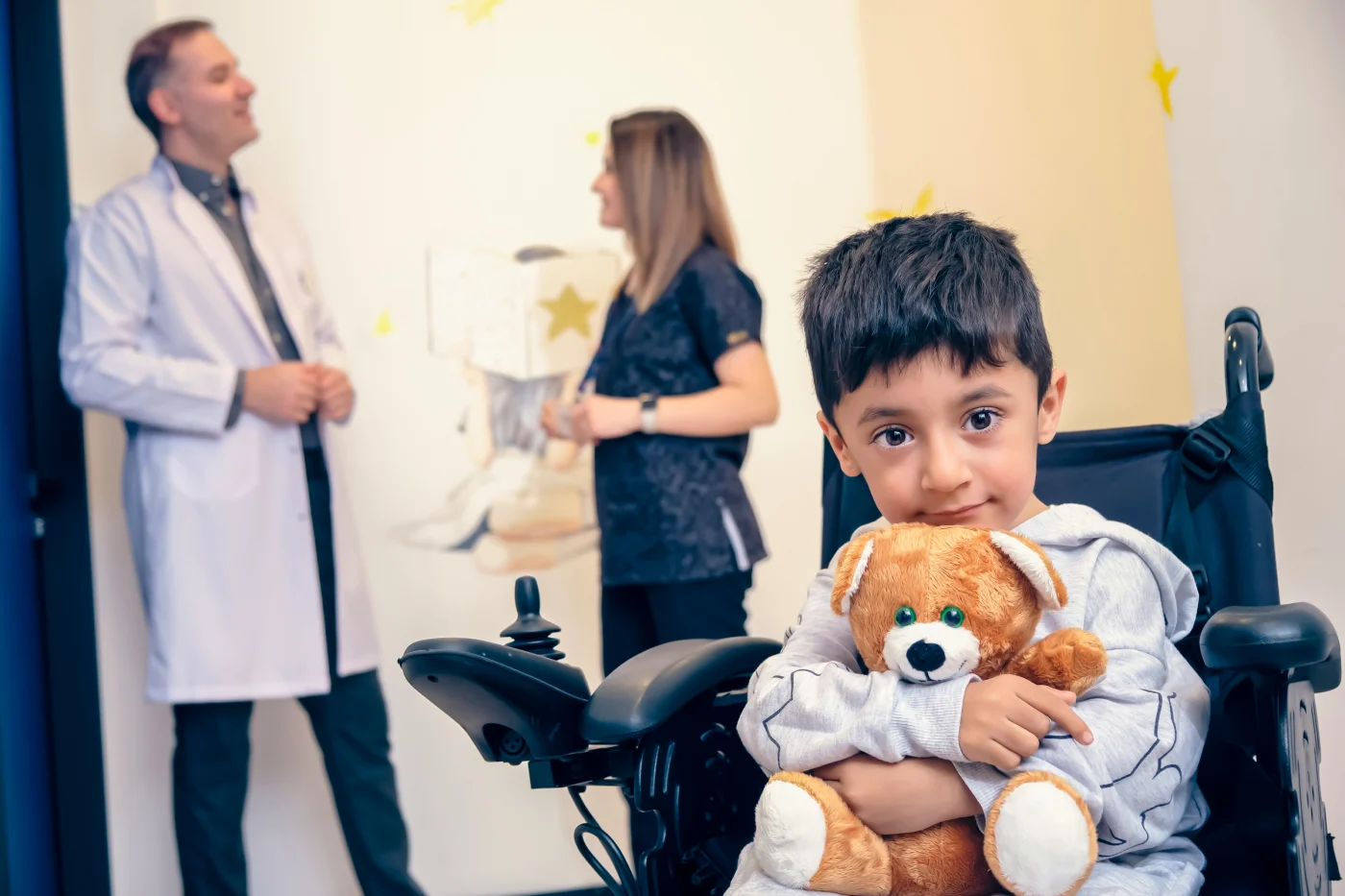
The monsoon season brings welcome relief from the summer heat, but it also arrives with a familiar set of parental worries. Runny noses, stomach bugs, viral fevers, and mosquito-borne illnesses tend to peak during these months, keeping many children out of school and many parents on edge.
The good news is that most monsoon-related illnesses are preventable with consistent, practical habits at home and in school. Understanding which illnesses are most common and what specifically makes children vulnerable during this season allows families to take targeted, effective action.
Many families associated with ib schools in bangalore find that schools with strong health and wellness policies reinforce these same habits during the school day, making the home-school partnership especially important in the rainy months.
Here are six evidence-backed ways to protect your child's health through the monsoon season.
1. Make Handwashing Non-Negotiable
Frequent, thorough handwashing remains the single most effective way to prevent the spread of infection. During the monsoon season, children are in constant contact with damp surfaces, shared stationery, door handles, and playground equipment — all of which can harbour bacteria and viruses.
The habit matters most at specific moments:
- Before every meal and snack
- After returning home from school, outdoor play, or any public space
- After using the toilet
- After touching animals or pets
Use soap and water for at least twenty seconds. Hand sanitiser is a useful backup but should not replace soap-and-water washing when water is available. Building this habit in early childhood creates a lifelong health behaviour that pays dividends well beyond the monsoon months.
2. Prioritise Gut Health Through Food and Water Safety
Waterborne diseases like typhoid, cholera, and gastroenteritis see a notable uptick during the monsoon due to contamination of water sources. Children, with their developing immune systems, are particularly susceptible.
- Always give children only boiled or filtered water to drink
- Avoid street food and uncovered food during this season
- Be cautious with raw vegetables — rinse thoroughly in clean water or briefly blanch
- Avoid serving cut fruits that have been sitting at room temperature
A well-nourished gut also supports immune function. Include fermented foods like curd, fibre-rich foods, and seasonal vegetables in your child's diet. These support the microbiome, which plays a direct role in how effectively the body fights infections.
3. Take Mosquito Prevention Seriously
Dengue, malaria, and chikungunya are genuine risks during the monsoon, particularly in urban and peri-urban areas of Bangalore where waterlogging is common. Children who spend time outdoors or in areas with standing water face elevated exposure.
- Apply mosquito repellent on exposed skin before outdoor activities, especially at dusk and dawn
- Ensure children wear full-sleeved clothing during peak mosquito hours
- Check and empty any standing water around the home — flower pots, cooler trays, tyres
- Use mosquito nets at night, particularly for younger children
Parents whose children attend ib schools in bannerghatta road and surrounding areas should be especially attentive during periods of heavy rainfall, as these localities can experience significant waterlogging that increases mosquito breeding sites.
4. Build Immunity With Consistent Sleep and Physical Activity
It is tempting during cooler, rainy weather to let routines slip — later bedtimes, more indoor screen time, less physical movement. But consistent sleep and daily activity are among the most powerful immune-supporting factors available to children.
- Ensure children get age-appropriate sleep: ten to twelve hours for school-aged children, eleven to fourteen hours for toddlers
- Maintain daily outdoor or indoor physical activity, even on rainy days
- Limit screen time, which disrupts sleep quality when used close to bedtime
A well-rested child recovers faster from illness, responds better to vaccinations, and has stronger resistance to infection. Sleep is not downtime for the immune system — it is prime time.
5. Keep Vaccinations and Doctor Check-Ups Current
Vaccinations remain the most reliable protection against several illnesses that peak during the monsoon, including influenza and typhoid. Before the season begins, it is worth checking with your paediatrician whether your child is due for any boosters or recommended seasonal vaccines.
Regular check-ups also allow a doctor to catch early signs of anaemia, vitamin deficiencies, or other conditions that compromise immune resilience during high-risk seasons. Do not wait for visible illness to be the trigger for a medical visit.
Schools among the leading international schools in bangalore typically communicate directly with families about seasonal health advisories and may require updated vaccination records — a policy that protects the entire school community.
6. Dry Out Wet Clothes and Footwear Promptly
This practical habit is often overlooked. Wet school uniforms, damp bags, and wet footwear left overnight create ideal conditions for mould and bacterial growth, which can then come into contact with your child's skin and respiratory system the following morning.
- Dry school bags and shoes thoroughly after wet days — use a fan or leave near a ventilated window
- Change children out of wet or damp clothes promptly after returning home
- Wash water-logged footwear with a mild disinfectant if it has been exposed to puddle water or flooded streets
Consistently clean school gear also reduces the risk of fungal skin infections like ringworm and athlete's foot, which are common during the humid monsoon months.
Conclusion: Small Habits, Big Protection
Protecting your child from common monsoon illnesses does not require expensive supplements or complicated medical routines. It requires consistent attention to the basics: clean hands, safe food and water, mosquito protection, adequate rest, and timely medical care.
The families of students at top ib schools in bangalore often find that schools reinforce many of these habits through daily health routines and strong wellness policies — making a consistent home-school approach the most powerful protection available.
Start now, stay consistent, and the monsoon season becomes far more manageable for the whole family.
Quick answers