

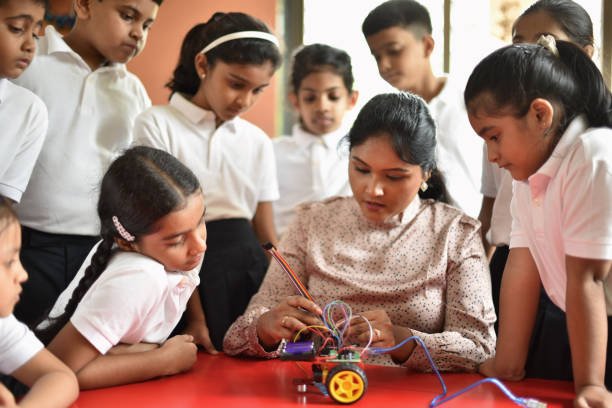
Education today is evolving rapidly, and classrooms are no longer limited to blackboards and textbooks alone. Parents increasingly seek schools that prepare children for a technology-driven world while maintaining strong academic foundations. Digital learning has emerged as a powerful tool that reshapes how students learn, teachers teach, and schools deliver education effectively.
This article explains how digital learning is transforming classrooms, the benefits it offers students, and how schools thoughtfully integrate technology to enhance academic outcomes while supporting student wellbeing.
Understanding Digital Learning in Schools
Digital learning refers to the use of technology to support, enhance, and extend teaching and learning processes. It includes tools such as interactive smart boards, digital content, learning platforms, educational apps, and online assessments.
Rather than replacing teachers, digital learning supports them by:
- Making lessons more engaging and interactive
- Allowing personalised learning experiences
- Providing instant feedback and progress tracking
- Encouraging independent and self-paced learning
When implemented responsibly, digital learning strengthens classroom instruction and improves learning outcomes.
Why Digital Learning Matters for Today’s Students
Children today grow up in a digital environment. Integrating technology into education helps bridge the gap between how students naturally interact with the world and how they learn in school.
Digital learning helps students:
- Develop critical digital literacy skills
- Engage actively with lessons
- Learn at their own pace
- Access a variety of learning resources
- Build problem-solving and research skills
Many schools, including progressive international schools in electronic city, use digital tools to ensure students remain motivated and future-ready.
How Technology Enhances Classroom Teaching
Digital learning transforms traditional classrooms into interactive learning spaces. Teachers can explain complex concepts using visuals, videos, simulations, and real-time examples.
Technology enhances teaching by:
- Supporting visual and experiential learning
- Making abstract concepts easier to understand
- Encouraging student participation
- Allowing differentiated instruction
This approach ensures that students with different learning styles receive the support they need to succeed academically.
Personalised Learning Through Digital Platforms
One of the strongest advantages of digital learning is personalisation. Not all students learn at the same pace or in the same way, and technology helps address this diversity.
Digital platforms allow:
- Customised assignments based on ability
- Additional practice for students who need support
- Enrichment activities for advanced learners
- Continuous tracking of academic progress
Several international schools in bannerghatta road adopt adaptive learning systems to ensure no child feels left behind or unchallenged.
Improving Student Engagement and Motivation
Engagement plays a key role in learning retention. Digital learning introduces interactive elements that make lessons more appealing without turning education into entertainment.
Interactive tools such as quizzes, polls, and simulations:
- Increase student participation
- Improve attention and focus
- Encourage curiosity and exploration
- Make learning enjoyable and meaningful
When students are engaged, they are more likely to understand concepts deeply and retain knowledge longer.
Digital Learning in International Curricula
International curricula place strong emphasis on inquiry-based and student-led learning, making digital tools a natural fit. Technology supports research, collaboration, and reflective learning.
In many ib schools in bannerghatta road, digital learning is used to:
- Facilitate research and project-based learning
- Encourage collaboration through shared platforms
- Support presentations and reflective assessments
- Build global awareness and digital responsibility
These practices help students become independent thinkers and effective communicators.
Supporting Assessment and Feedback
Assessment is an integral part of learning, and digital tools have made it more effective and transparent. Teachers can assess student understanding in real time and provide timely feedback.
Digital assessment tools help:
- Identify learning gaps early
- Track progress over time
- Reduce manual workload for teachers
- Support data-driven teaching decisions
This continuous feedback loop supports academic improvement and builds student confidence.
Balancing Screen Time and Wellbeing
While digital learning offers many advantages, schools must ensure that technology use remains balanced and age-appropriate. Excessive screen time can impact attention, posture, and overall wellbeing.
Responsible schools focus on:
- Blended learning approaches
- Regular breaks from screens
- Hands-on and experiential activities
- Physical movement and outdoor learning
Schools such as schools in begur road often follow structured digital policies that prioritise student health alongside academic innovation.
Role of Teachers in Digital Classrooms
Teachers remain at the heart of effective digital learning. Technology is most impactful when guided by trained educators who know how to integrate it meaningfully into lessons.
Teachers support digital learning by:
- Selecting age-appropriate tools
- Aligning technology with learning objectives
- Encouraging responsible digital behaviour
- Guiding students in critical thinking
Professional development ensures teachers use technology purposefully rather than as a distraction.
Preparing Students for the Future
Digital learning equips students with skills that extend beyond academics. These include:
- Digital literacy and online safety
- Collaboration and communication
- Research and analytical thinking
- Adaptability in a changing world
By integrating technology thoughtfully, schools prepare students for higher education and future careers without compromising core academic values.
Conclusion
Digital learning has transformed classrooms by making education more engaging, personalised, and effective. When used thoughtfully, technology enhances teaching, supports diverse learners, and builds essential future-ready skills. Schools that balance digital tools with strong pedagogy and student wellbeing create learning environments where children can thrive academically and confidently navigate an increasingly digital world through meaningful digital learning.
Quick answers
Frequently Asked Questions